
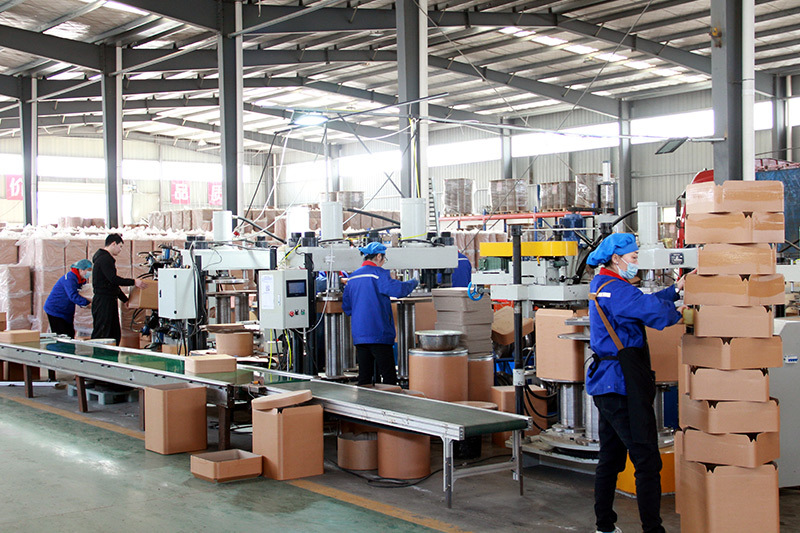
Production Process
Standardized Workflow for Quality Assurance
PROCESS
All-paper barrel
All-paper drums are a next‑generation industrial packaging solution that is lightweight, high‑strength, fully eco‑friendly, and cost‑effective. With a 100% paper structure, superior compressive stacking performance, and recyclable, environmentally responsible attributes, they are primarily used in the food, pharmaceutical, chemical, and metal‑processing industries. They also serve applications in building materials, agricultural products, electronics, cosmetics, and more, making them especially well suited to export markets and to meet stringent environmental compliance requirements.
Key Features
1. 100% paper-based, environmentally friendly and recyclable
· The barrel body, bottom, and lid are all made of paper and do not contain metal components such as iron hoops or hoop rings.
· Can be directly recycled and reused, complies with European and American environmental standards, and facilitates smoother export customs clearance.
2. Lightweight, high strength, and low cost
· Much lighter than iron or fiber drums, reducing transportation and logistics costs.
· Compress-resistant, drop-proof, and stackable in multiple layers, ideal for long-distance container shipping.
· Lower raw material and processing costs, offering excellent value for money.
3. Excellent sealing, moisture-proof and dirt-resistant
· Can be equipped with a PE inner liner or an aluminum foil liner to provide moisture-proof, rust-proof, and contamination-proof protection.
· Suitable for moisture‑sensitive materials such as powders, granules, welding wire, and food ingredients.
4. Safe and clean, suitable for multiple industries
· No burrs, no rust, no odor
· Can be formulated for food-grade and pharmaceutical-grade applications, complying with GMP, FDA, and other relevant standards.
· Some can be used for low-hazard chemical packaging (subject to compliance certification)
5. Easy to print, with a neat appearance
· Smooth surface, allowing direct printing of logos, product information, and company details.
· Overall aesthetic consistency enhances both the product and corporate image.
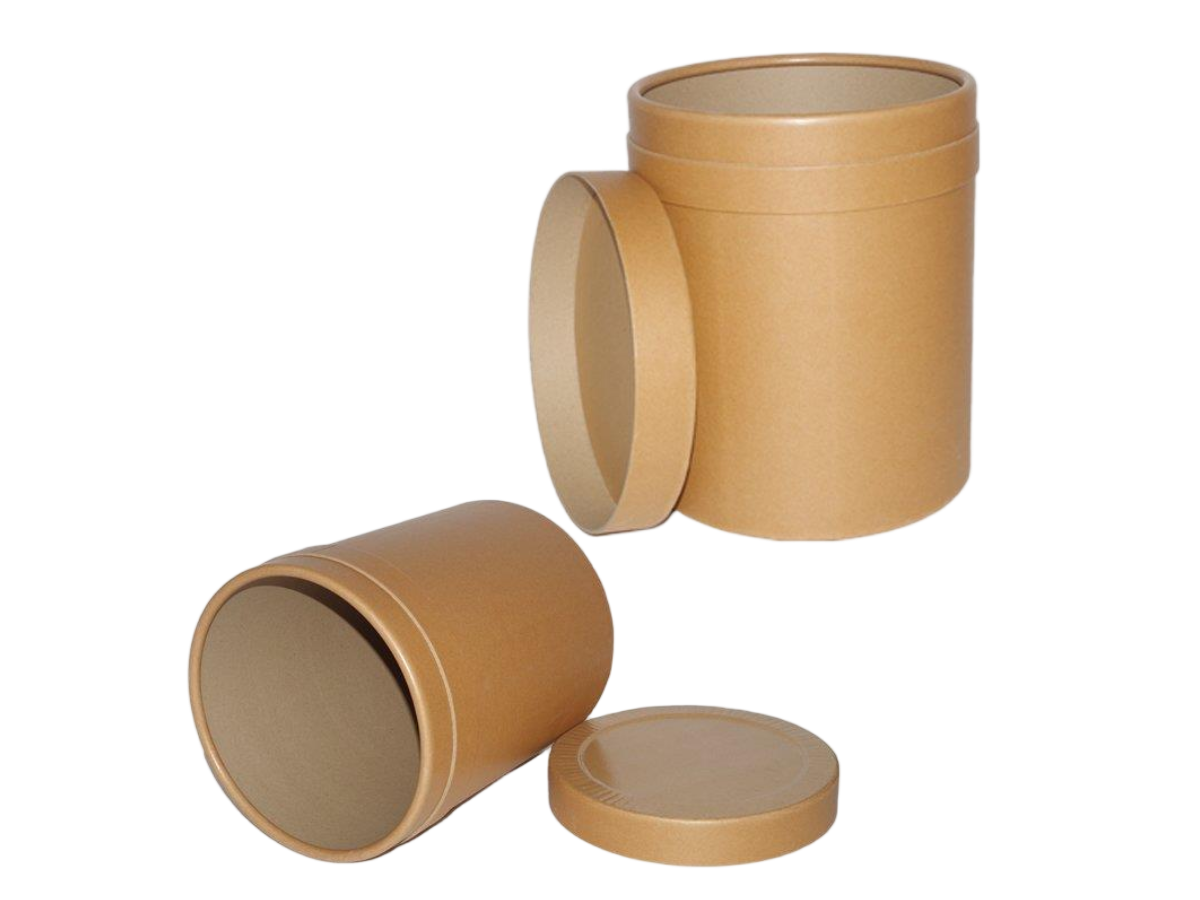
Composition of all-paper drums: paper (kraft paper, tube paper, etc.) and adhesive (polyvinyl alcohol glue, starch glue, eco-friendly clear glue, etc.).
Process 1: Barrel Rolling (Automatic Rolling Machine)
Processing range |
Production capacity |
Operator |
Land area |
Power consumption |
260~450mm |
1,600 units below 300 mm |
1 person |
2.4M*4.2M |
10.5KW |
300 mm and above: 800–1,000 units |
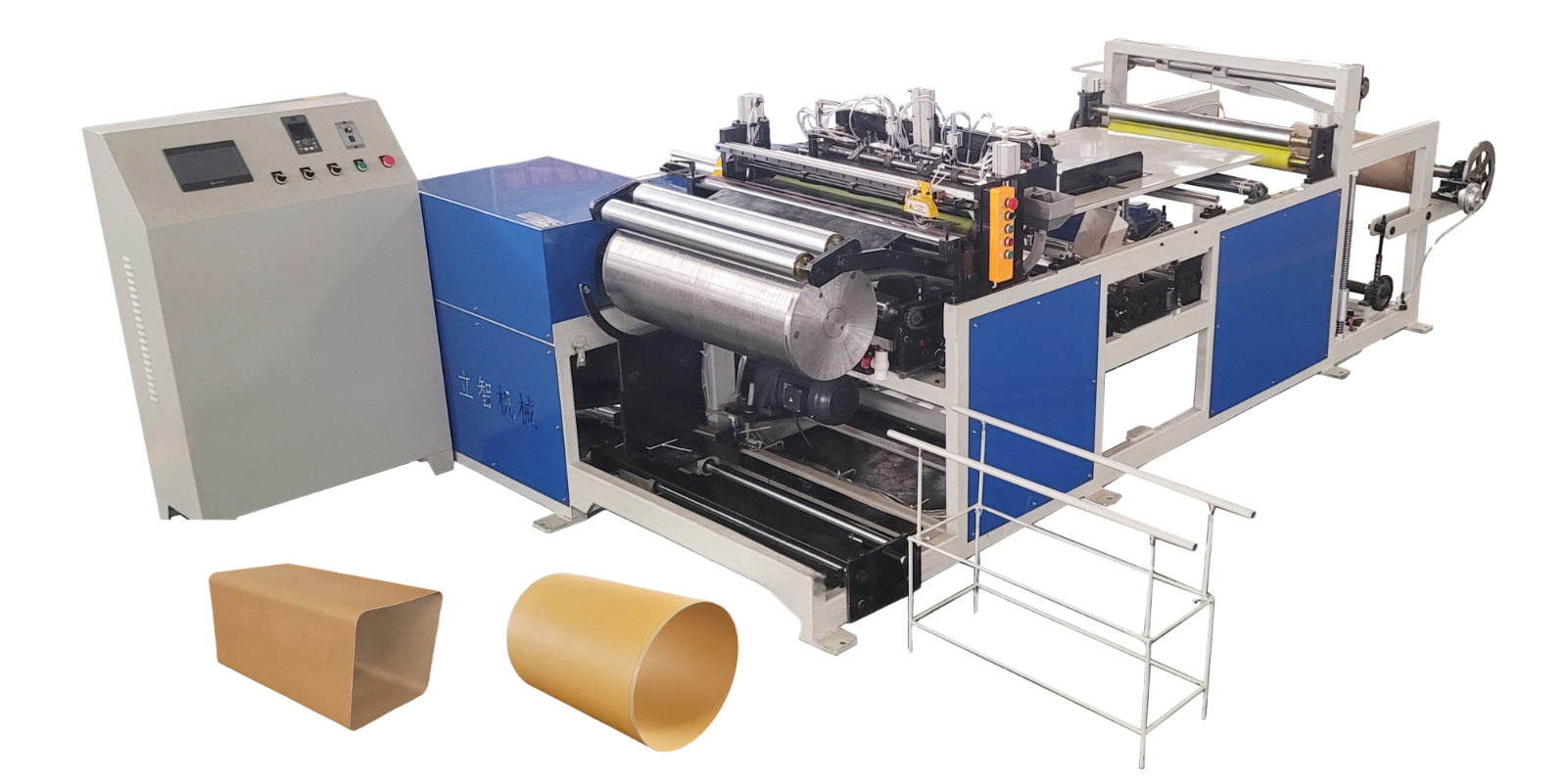
1.1 Issue materials according to work orders and perform self-inspection on incoming materials;
1.2 Paper grades (A/B/C);
1.3 Paper height range (upper deviation of 3 mm);
1.4 Veneer paper (according to specifications);
Bucket specification Ø |
280 |
300 |
320 |
340 |
350 |
365 |
370 |
380 |
400 |
420 |
430 |
440 |
450 |
480 |
500 |
550 |
Veneer paper length mm |
960 |
1000 |
1040 |
1160 |
1160 |
1160 |
1240 |
1240 |
1330 |
1420 |
1460 |
1460 |
1510 |
1550 |
Currently unveneered. |
|
Veneer paper height mm |
The veneer paper must be aligned on one edge, with the exposed edge on the other side not less than 20 mm. |
|||||||||||||||
1.5 Perform in-process self-inspection of coil drums according to the production work order:
1.6 The outer circumference of the all-paper roll is as follows:
Rolling machine paper barrel φ |
Circumference of the roll barrel |
All-paper lid, hoop barrel |
Peripheral circumference (reference) |
280 |
900 |
280 |
921 |
300 |
961 |
300 |
983 |
320 |
1025 |
320 |
1048 |
350 |
1122 |
350 |
1146 |
365 |
1165~1166 |
365 |
1192~1193 |
380 |
1213 |
380 |
1237 |
400 |
1277 |
400 |
1304 |
420 |
1336~1337 |
420 |
1366 |
450 |
1437 |
450 |
1460 |
Note:
①. The outer perimeter here shall not be used as the basis for determining the tightness of the hoop and the lid.
②. The outer perimeter of the hoop shall be identical to that of the cover; the cover’s outer perimeter may exceed the hoop’s outer perimeter by no more than 2 mm.
1.7 Roll bucket height:
All-paper drum body (φ/mm) |
||
280 |
300-400 |
420-450 |
+55 |
+60 |
+65 |
Example: 280*340:340+55=395 high; use original paper with a width of 390–393 mm.
350*460:460+60=520 height; use original paper with a width of 515–518 mm.
1.8 Production orders requiring specific weights must be weighed according to the specified requirements (note that wet buckets add weight due to moisture).
1.9 The diameter of the roll barrel must be matched to the downstream production process, taking into account the shrinkage of the paper barrel.
1.10 The thickness of the bucket hoop shall, as a priority, comply with production requirements, typically ranging from 9 to 9.5 layers. During manufacturing, it must be matched to the bucket’s outer diameter (taking shrinkage into account) and to the inner diameter of the upper die in the hoop‑pressing mold (as a smaller dimension would fail to secure the hoop).
1.11 The height of the barrel hoops and lids is typically determined with production convenience as the primary consideration, using paper of an appropriate thickness for easy rolling. Additionally, calculate how many hoops or lids can be cut from a single barrel, adding an extra 30 mm (allowing for upward tolerance) to facilitate cutting.
Process Step 2: Cutting of bucket lids and hoops (using a CNC slitting machine);
Processing range |
Production capacity |
Operator |
Land area |
Power consumption |
260~450mm |
500 per hour |
1 person |
1.5m×1.7m |
1.5KW |
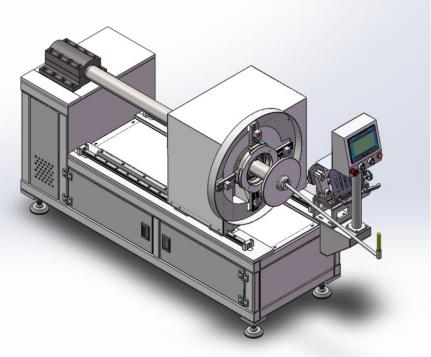
2.1 The slitting height of the bucket lid is:
Below 280 |
280 or above |
70mm |
90mm |
Special cases shall be handled in accordance with custom requirements. |
|
2.2 The slitting height of the bucket hoop is 45 mm; in special cases, it shall be determined according to custom‑made requirements.
2.3 When operating the slitting machine, ensure operational safety; the end faces of the paper cores must be flush to prevent skewed slitting.
2.4 Adjust the CNC settings according to the required specifications. When cutting the barrel, carefully regulate the depth of the cutter and secure the tool holder once the barrel is fully severed.
2.5 Inspect the quality of the coil drums from the preceding process and coordinate with the subsequent process to ensure proper tightness of the lid fabrication or collar assembly.
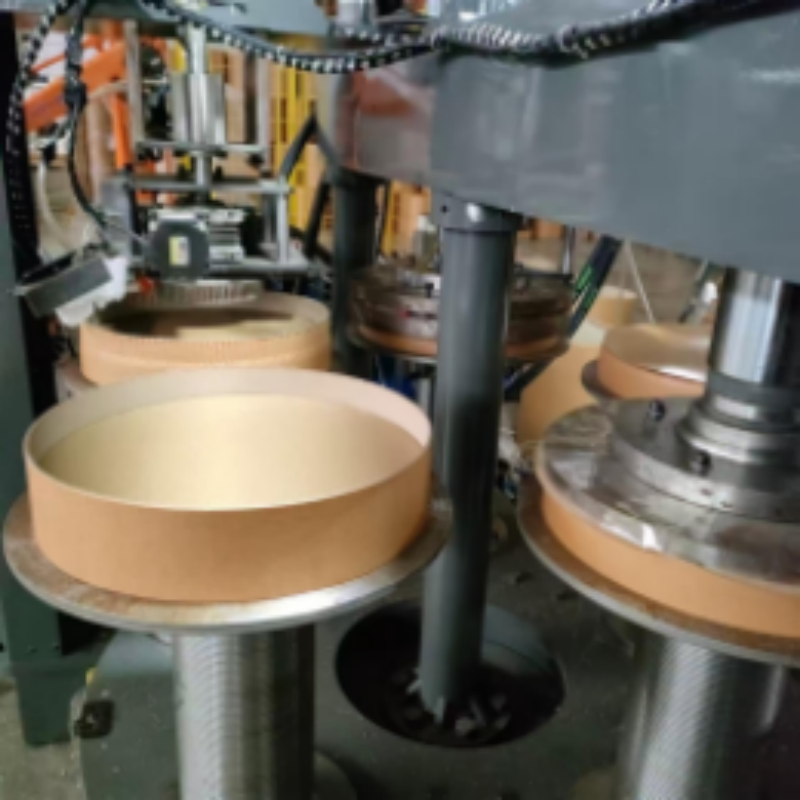
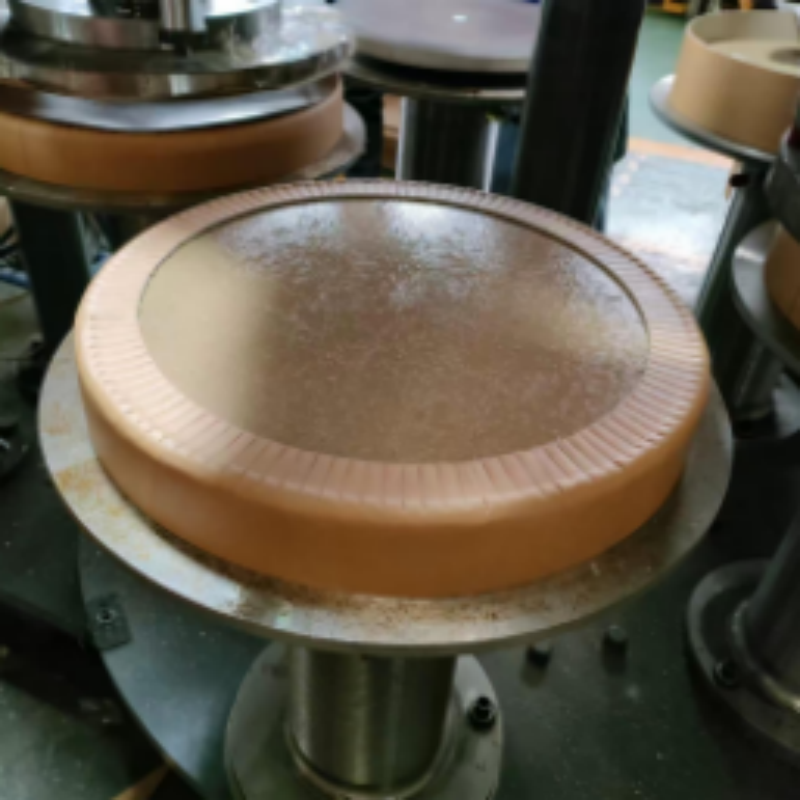
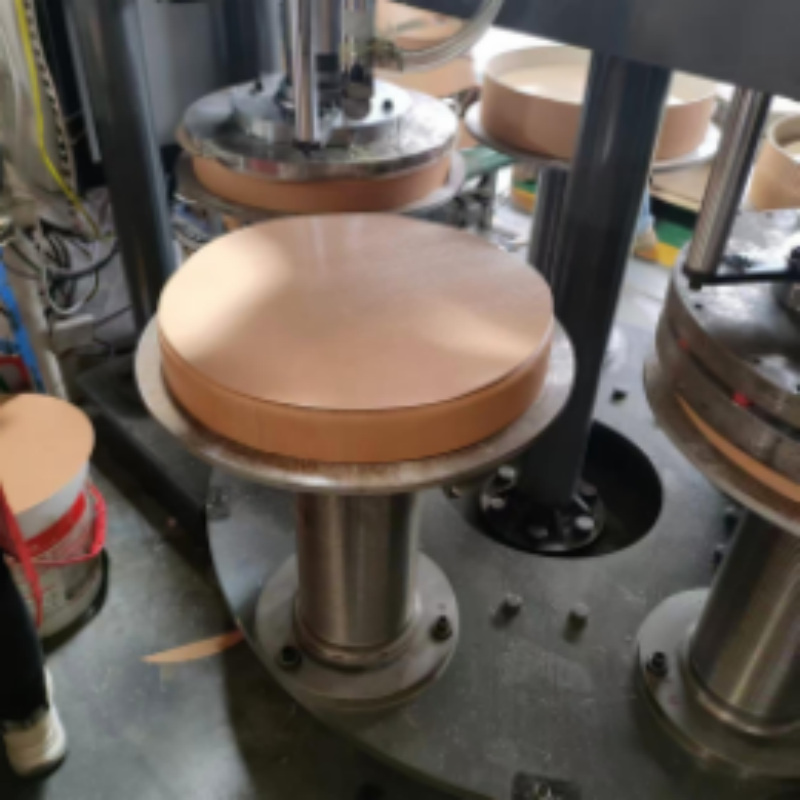
Process Step 3: Forming the Barrel Body and Lid (Five-Station Integrated Process for Embossing, Flanging, and Bottom Pressing)
Processing range |
Production capacity |
Operator |
Land area |
Power consumption |
φ280~450mm H 90~760mm |
180 units/hour |
1 person |
2M*2.4M |
9KW |
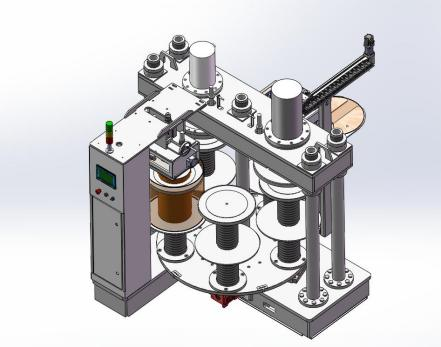
3.1 Inspect incoming materials in accordance with production requirements:
Check the paper drum for bubbles, wrinkles, or contaminants.
Paper barrel height, paper product inspection;
3.2 After the paper bucket is fitted onto the working column, the distance from the upper surface of the lower die to the bucket opening is 45 mm.
3.3 Operating Procedure:
① Place the bottom and lid cardboard on the lower die.
② Start the machine: first, score; second, fold the edges; third, apply adhesive to the face paper and place it on the bucket lid/base; fourth, firmly adhere the face paper to the surface of the paper bucket; fifth, remove the finished paper bucket/lid and set aside the next batch of buckets/lids to be processed.
3.4 Inspect the first finished product of each pressing cycle and adjust the pressure accordingly (increase pressure during forward rotation, decrease pressure during reverse rotation); the flattening tonnage should be maintained at 9–11 t.
3.5 During the production process, when assembling the container and lid, ensure concentricity; verify that the inner and outer linerboard is firmly adhered, free from tears, blisters, or delamination; and confirm that the linerboard edges are smooth with no fraying or adhesive failure.

Process Step Four: Flanging the Bucket Rim (using a rim-flanging machine);
Processing range |
Production capacity |
Operator |
Land area |
Power consumption |
280~450mm |
400 pieces/hour |
1 person |
0.9M*1.2M |
11KW |
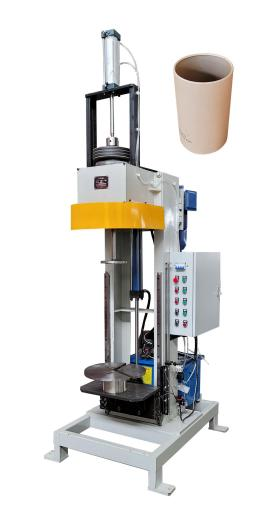
5.1 The processed product has smooth barrel edges, free of scratches, and exhibits tight insulation.
5.2 A pneumatic chuck is employed for automatic clamping, vertically securing the paper drum to ensure it enters the mold in a vertical orientation, thereby reducing the scrap rate.
5.3 The specifications are easily adjustable; the tailstock is mounted on linear guide rails, ensuring vertical accuracy and maintaining concentricity and parallelism between the paper tube and the die. A graduated scale is installed, allowing height adjustment to be completed in a single step. The die incorporates six locating pins, providing a long service life.
5.4 During edge rolling, the rolled edge shall be smooth, tightly secured, free of burrs, without looseness or slackness, and exhibit no uneven height or inconsistency around the perimeter.
6.1.7 Based on the paper tube height specified in the order, perform self‑inspection of the preceding process and adjust the height of the edge‑rolling machine accordingly.
Process Step Six: Crimping (using a crimping machine);
Processing range |
Production capacity |
Operator |
Land area |
Power consumption |
280~450mm |
220~250 piece/small Time |
1 person |
1.1M*1.5M |
4KW |
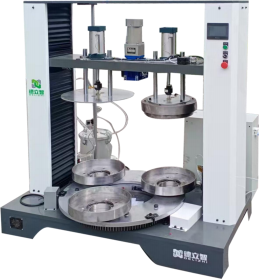
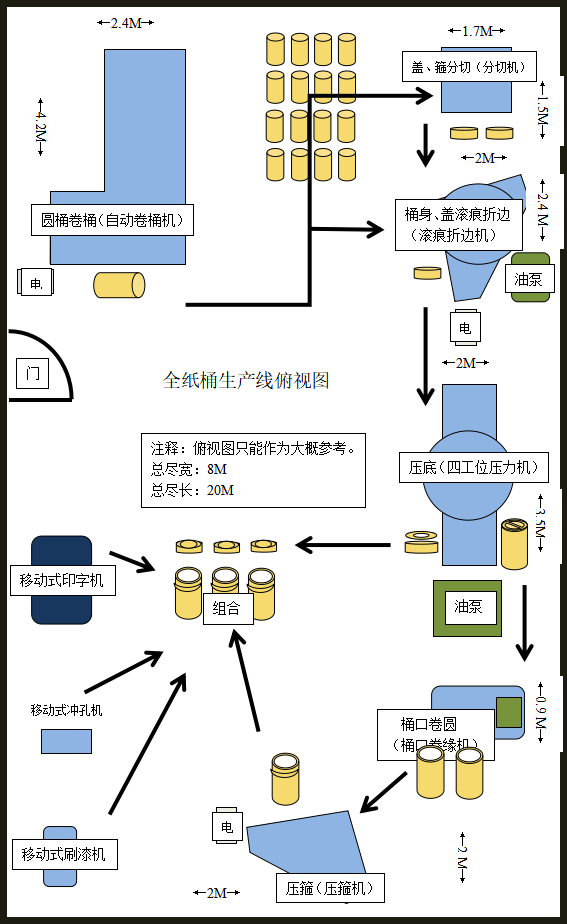
Scope, Content, and Design of the Complete Barrel Production Line Implementation
Total land area |
Hydraulic oil |
Total power required |
Pressure standard |
Output value (large, small) |
Cable wire |
Number of people |
160㎡ |
448 liters |
37.5KW |
0.4 MPa~0.7 MPa |
800 to 1,400 units |
National standard 4 square (4-core) |
5 people |

Trust comes from quality, and we live up to expectations
dedicated to the development and innovation of new products and technologies. The company can provide customized products and services according to the specific needs of customers.
Contact Us
Whatsapp: +8618661767871
E-mail: victorbusiness@foxmail.com
E-mail: victorbusiness@foxmail.com
SHARE


